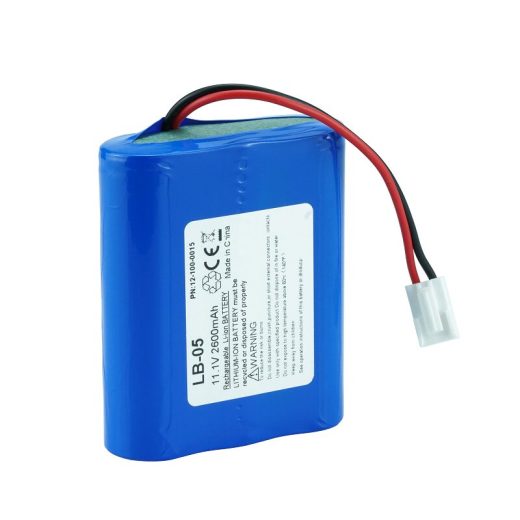
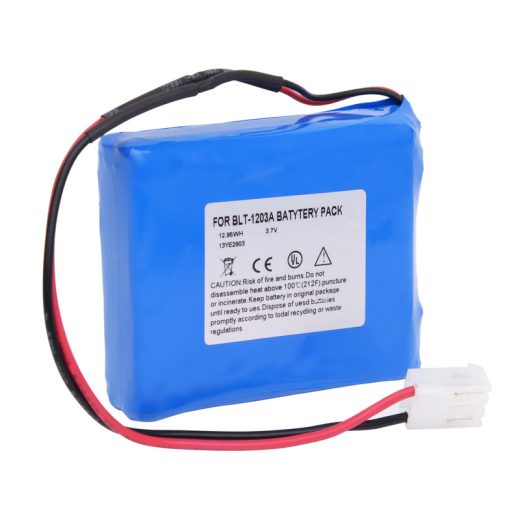
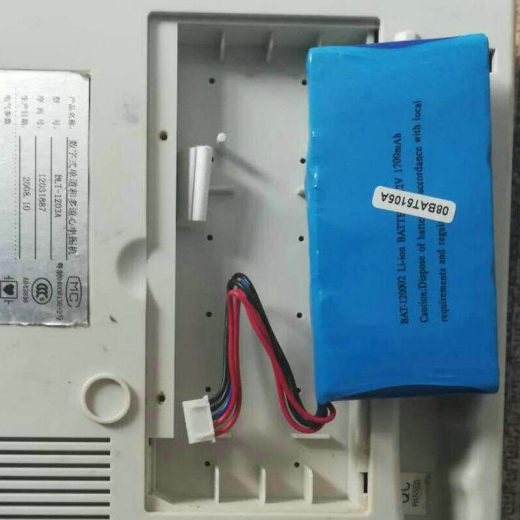
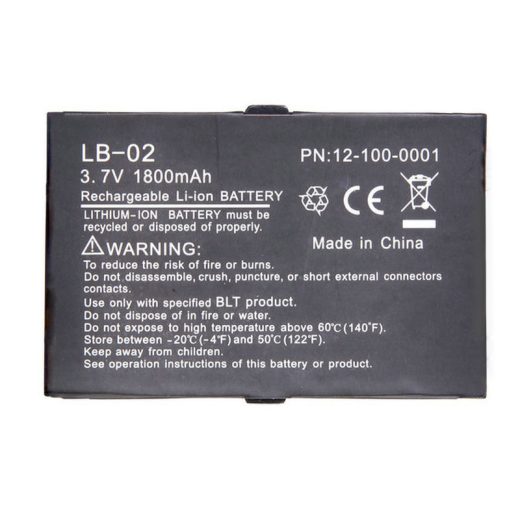
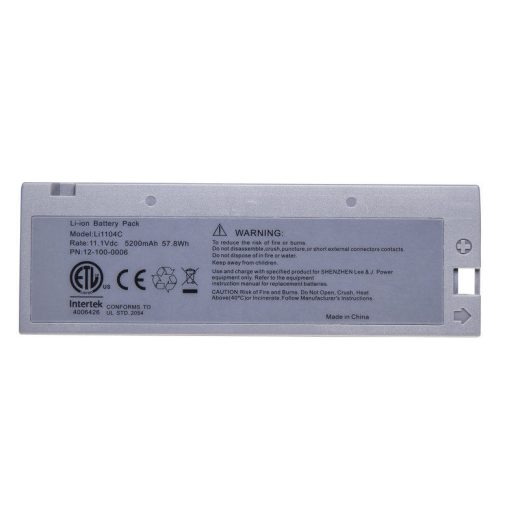
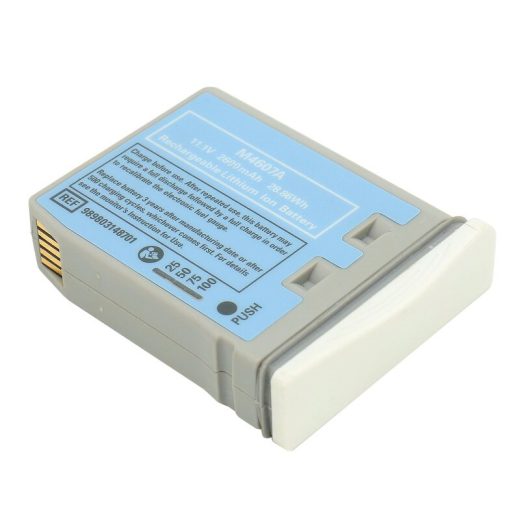
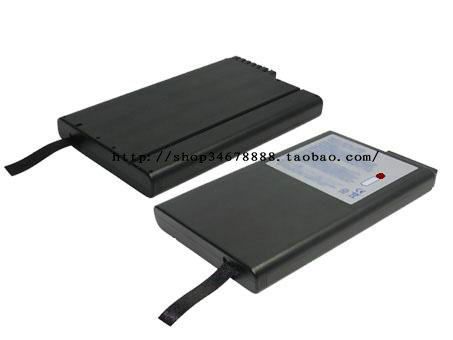
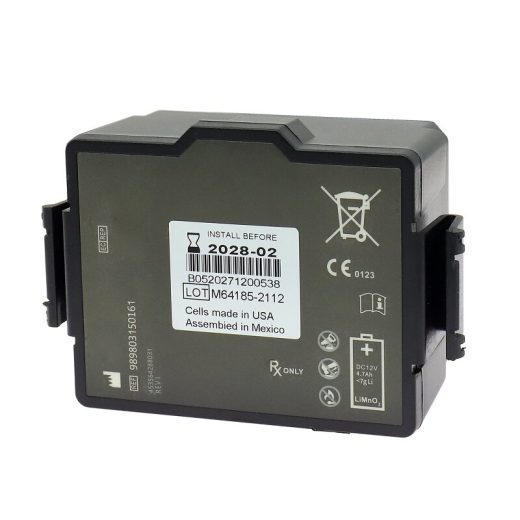
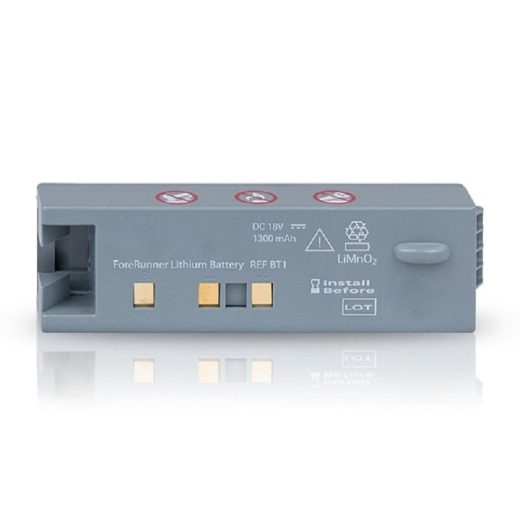
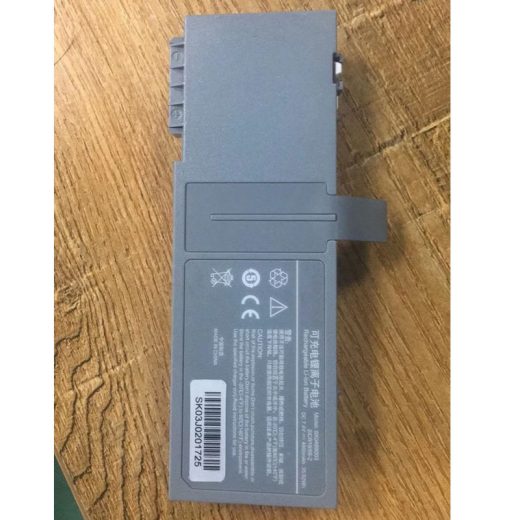
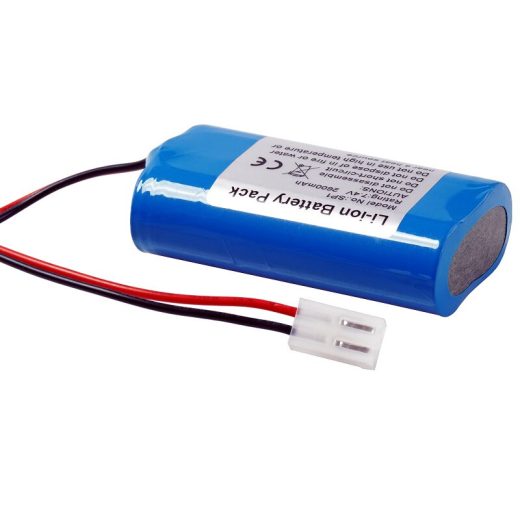
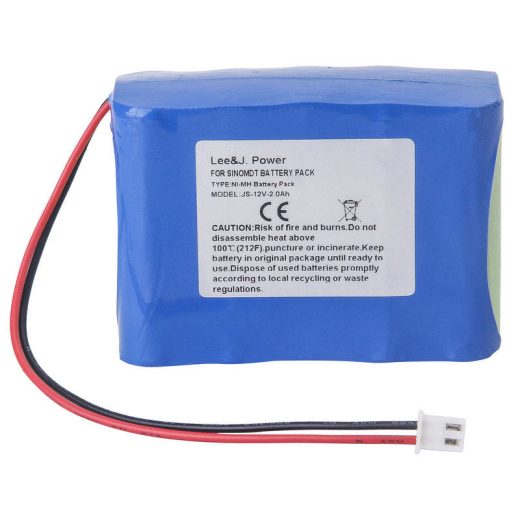
A stand-alone lithium battery is not ordinary parcel freight. The exact battery design, condition, quantity, packaging, mode, origin, and destination affect whether and how it can move.
North American shipping posture
The U.S. Pipeline and Hazardous Materials Safety Administration states that lithium batteries are regulated as hazardous materials under the U.S. Department of Transportation Hazardous Materials Regulations. Those requirements apply when lithium batteries are offered for transport by air, highway, rail, or water.
PHMSA also states that lithium cells and batteries offered for transportation must have passed the design tests in UN Manual of Tests and Criteria, Section 38.3. Manufacturers must make standardized test-summary documents available on request so the design can be traced.
PHMSA: Transporting Lithium Batteries · 49 CFR 173.185
What we verify before quoting a route
- Battery chemistry, voltage, rated capacity, and watt-hours.
- Manufacturer and model identity across the physical label, SDS, and UN 38.3 test summary.
- Whether the battery is stand-alone, packed with equipment, or contained in equipment.
- Quantity, state, condition, packaging method, and any damaged, defective, or recalled status.
- Carrier acceptance for the exact origin, destination, and transport mode.
Returns are also dangerous-goods movements
A return cannot be treated as a standard prepaid parcel. The battery condition and carrier rules must be reviewed before instructions are issued. Do not ship a swollen, leaking, damaged, overheated, recalled, or otherwise suspect battery without qualified dangerous-goods guidance.
Availability, transit time, and shipping cost are not confirmed until the battery and route have passed review.